Coastal Roof Damage in Huntington Beach: What Salt Air and UV Really Do to Your Roofing Repair Needs
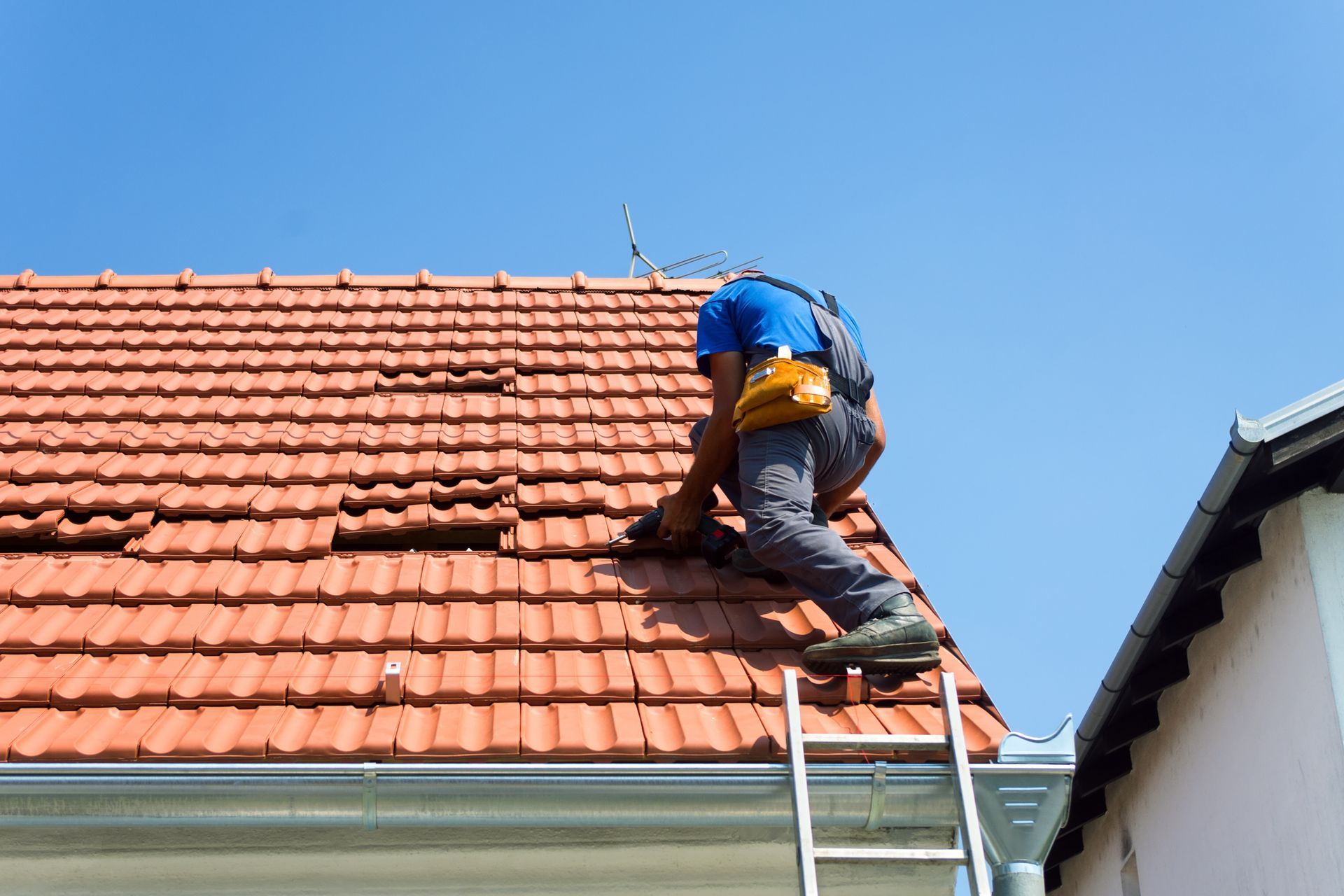
Living just blocks from the Pacific Ocean in Huntington Beach, CA, homeowners face a specific and often underestimated threat to their roofs: the combined assault of salt air and intense coastal UV, and understanding these forces is the first step toward protecting your home with timely roofing repair.
Homes in beach-close neighborhoods like Downtown Huntington Beach, Sunset Beach, and Bolsa Chica can experience roof deterioration faster than homes farther inland. The culprit is not just wind or rain. It is the steady, invisible combination of ocean-driven salt particles and some of the most intense sunlight in Southern California. Together, they wear down roofing materials in ways that are easy to miss until significant damage has already occurred, making proactive roofing repair a smart investment for any coastal homeowner.
What Salt Air Actually Does to Your Roof
Salt air accelerates roofing material breakdown in ways that plain wind and rain cannot match alone. When salty ocean air drifts inland from Pacific Coast Highway toward Huntington Beach's residential streets, it deposits microscopic salt crystals on roofing surfaces. Those crystals are abrasive. Over time, they grind away the protective granules that coat asphalt shingles. Granules are not just decorative. They shield the asphalt layer underneath from UV radiation and moisture.
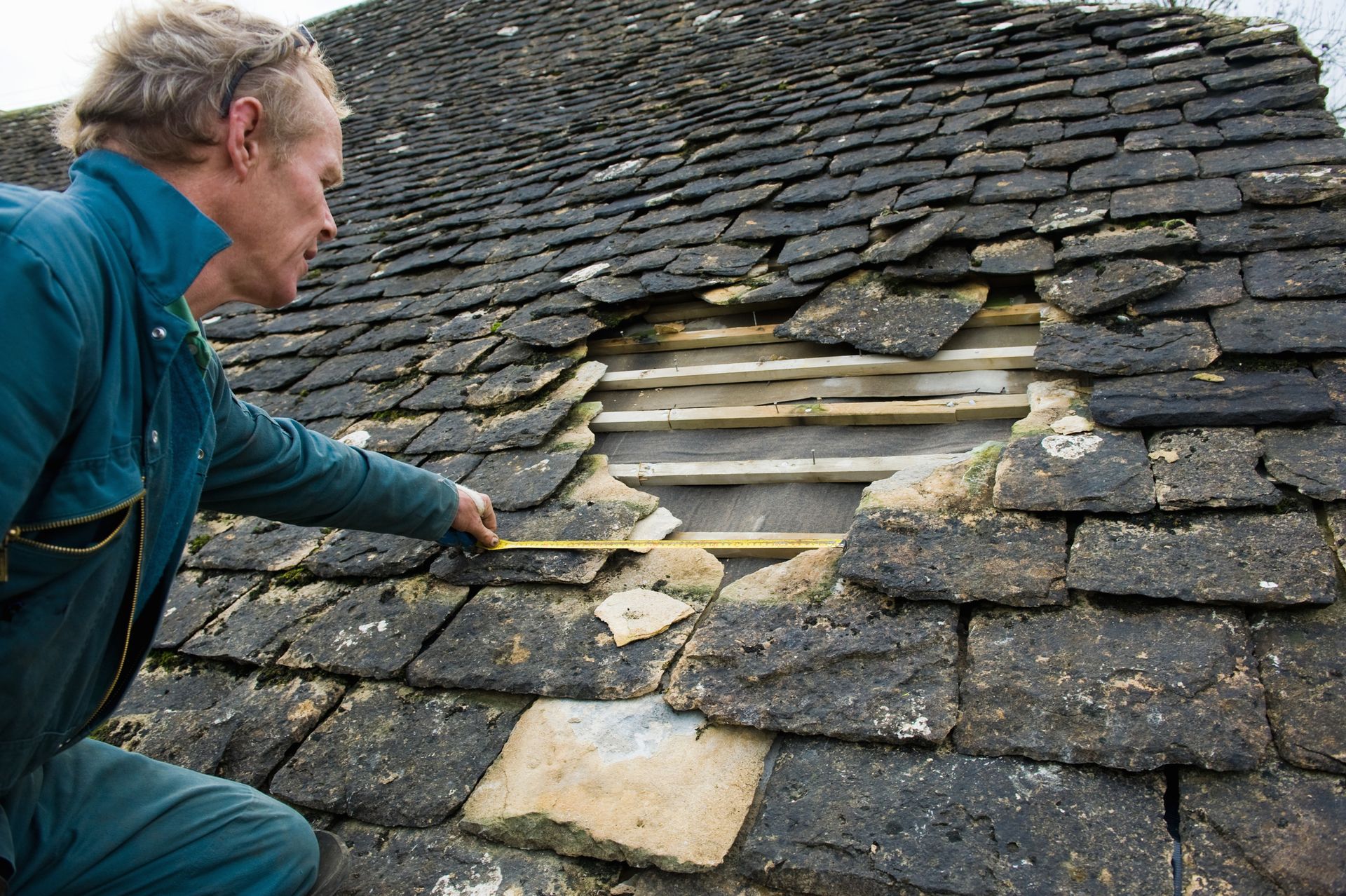
Once granule loss begins, the underlying asphalt can become brittle and cracked. You may notice dark, bare patches on shingles, or a buildup of sandy, grit-like material in your gutters after rain. That material is often lost granules. Flashing around chimneys, vents, and skylights may also corrode faster in coastal environments because salt can accelerate oxidation on metal components.
Tile roofs are not immune either. Salt deposits can work into the hairline cracks of older tiles and expand during temperature swings, widening those cracks over time.
How UV Intensity in Coastal SoCal Differs from Inland Areas
UV exposure in coastal Southern California can be far worse than many homeowners expect. Huntington Beach sits at a latitude that already receives strong year-round sun. What makes coastal UV different is the reflection effect. Sunlight bounces off the ocean's surface and off light-colored beach sand, effectively increasing UV exposure on nearby rooftops. This reflected radiation hits surfaces at different angles than direct sunlight, meaning shaded roof sections may still receive meaningful UV exposure.
UV radiation degrades asphalt binders in shingles. Over years of coastal SoCal sun, asphalt can dry out and lose its flexibility, making shingles increasingly prone to cracking and lifting at the edges. Roof coatings and underlayment materials can also degrade faster under prolonged UV exposure.
Signs of UV and Salt Damage to Watch For
Learning to spot early damage can help you schedule roofing repair in Huntington Beach, CA, before minor issues worsen.
▸ Granule buildup in gutters or downspouts after rain or wind events.
▸ Shingles that appear faded, blistered, or darker in uneven patches.
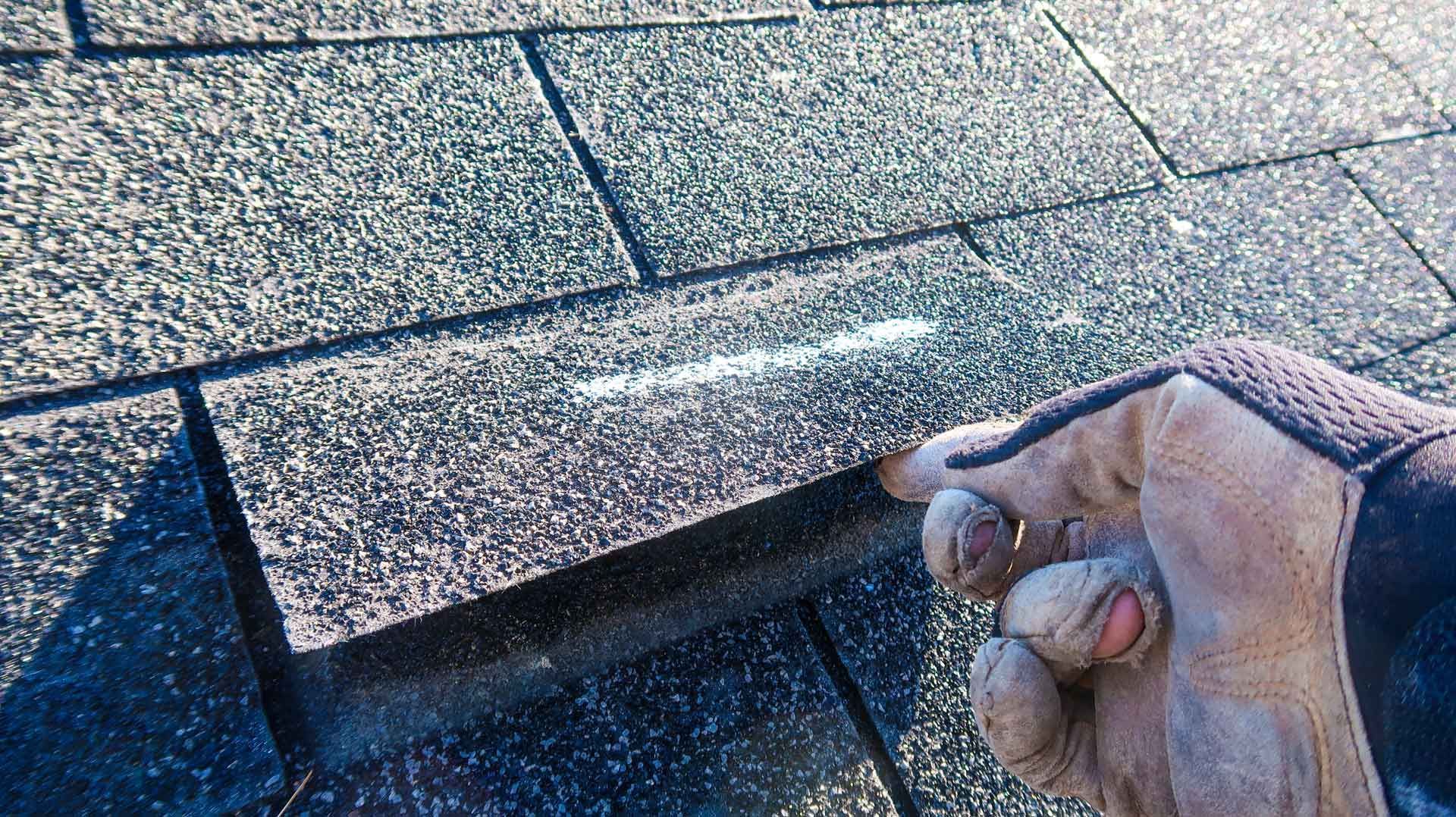
▸ Shingle edges that curl upward or curl downward, sometimes called cupping or clawing.
▸ Visible cracking along the surface of asphalt shingles.
▸ Rust staining or visible corrosion on metal flashing near the roofline.
▸ Tiles that appear pitted, chalky, or show hairline cracks along their surface.
Any one of these signs warrants a professional inspection. Multiple signs together often mean damage is progressing and may require more than a single-area fix.
When Does Coastal Damage Call for Repair vs. Replacement?
This is one of the most common questions homeowners ask, and the answer typically depends on how widespread the damage is. Localized granule loss, minor cracking, or a section of failing flashing can often be addressed with targeted roofing repair. A reputable contractor will identify the affected zones and restore those areas without requiring a full tear-off.
Replacement may be the better option when damage covers a large portion of the roof, when the underlying decking shows water infiltration or soft spots, or when the roof is approaching the end of its expected service life and repairs would only delay the inevitable. A professional inspection is the only reliable way to determine which path makes sense for your home. Attempting to make that call from the ground, especially on a coastal property, can lead to costly misjudgments.
Maintenance Steps That Can Slow Coastal Deterioration
Proactive care may extend the time between major repairs for homes near Huntington Beach's shoreline.
▸ Schedule a professional roof inspection at least once per year, ideally in early spring.
▸ Keep gutters clear so salt-laden debris does not pool against roofing material.
▸ Trim back any overhanging trees that trap moisture against shingles and limit airflow.
▸ Ask your contractor about coatings or sealants rated for coastal UV and salt exposure.
▸ Address small repairs promptly rather than waiting, since coastal conditions can accelerate minor damage into major problems quickly. Acting at the first sign of trouble is always more cost-effective than waiting for widespread failure.
Protect Your Huntington Beach Home Before Damage Spreads
The best time to address coastal roof damage is before it becomes a structural problem. Rays Accurate Roofing has been serving Orange County, CA, since 1981, and their team understands the specific challenges that salt air and coastal UV present to local homeowners. Whether you need targeted roofing repair or a full professional assessment, getting expert eyes on your roof sooner rather than later can save significant time and money.
Call
(714) 962-4250 for a free estimate, or visit the
Roofing Repair in Huntington Beach, CA service page to learn more about available options. You can also
request service or get in touch through their repairs contact page.
Find Rays Accurate Roofing on Google to read reviews from neighbors across Huntington Beach and Orange County.